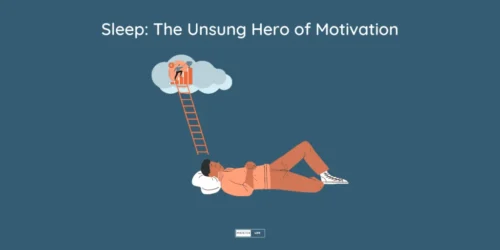
As we move full-force into the holidays, let’s make sure that your sleep gets as much attention as the parties and commitments. As a Behavioral Nutritionist I have spent many years watching people struggle with food, weight, and body image. Time and time again, I’ve seen the same pattern: we try to ‘fix’ eating with more rules, more diets, and more restriction, while quietly ignoring one of the most powerful drivers of our appetite and mood: sleep. Sleep truly drives motivation and so much more!!!
Today’s world makes sleep harder at every age. Toddlers fall asleep next to glowing screens, teens scroll deep into the night, and adults unwind with streaming apps and social media until the moment they close their eyes. Over time, I’ve watched this erode not just sleep, but also mood and emotional resilience, emotional eating and cravings, stress hormones, overall eating habits, and motivation to move our bodies.
Layer menopause and ‘manopause’ (age-related hormonal shifts in men) on top of this, and you have a biological perfect storm for weight gain, emotional eating, and chronic fatigue. This is true physiology.
How Poor Sleep Alters Hunger, Cravings, and Mood
When we cut sleep short, several changes happen in the body and brain.
- Hunger and fullness hormones are thrown off
Research shows that sleep restriction increases ghrelin (the hormone that signals hunger) and decreases leptin (the hormone that signals fullness). In a controlled study, healthy young men who slept less had lower leptin, higher ghrelin, and reported feeling hungrier with a stronger appetite (Spiegel et al., 2004). In real life, that looks like feeling ‘always hungry,’ struggling to feel satisfied after meals, and constantly thinking about food, especially in the late afternoon and evening.
- Cravings shift toward high-calorie comfort foods
When people are sleep-deprived, they don’t just eat more, they tend to eat more snacks and more energy-dense foods, particularly refined carbohydrates (Nedeltcheva et al., 2009). Brain imaging research shows that sleep deprivation changes activity in brain regions involved in reward and decision-making, increasing the desire for high-calorie foods (Greer et al., 2013). So if you notice you reach for chips, sweets, or ‘quick hits’ of energy when you’re tired, your brain is doing exactly what we’d expect based on the science.
- Emotional regulation becomes harder
After a poor night’s sleep, most people feel more emotionally fragile. There’s a reason: studies show that without adequate sleep, the emotional center of the brain (the amygdala) becomes more reactive, while its connection to the prefrontal cortex, the part that helps us pause, reflect, and choose, weakens (Yoo et al., 2007). This can show up as ‘I know I’m not hungry, but I can’t stop picking at food,’ or ‘I’m so stressed and exhausted that I just don’t care what I eat.’
- Stress hormones and metabolism are disrupted
Reviews of sleep and metabolism show that insufficient sleep can raise cortisol (a key stress hormone), impair blood sugar regulation, and affect insulin sensitivity (Leproult & Van Cauter, 2010). Large analyses link short sleep to a higher risk of weight gain and obesity in both adults and children (Cappuccio et al., 2008; Patel & Hu, 2008). In simple terms: poor sleep can make it easier to gain weight and harder to lose it, even when you’re trying.
Menopause, ‘Manopause,’ and Why Midlife Feels So Intense
In midlife, sleep often becomes even more fragile. For many women, perimenopause and menopause bring night sweats, hot flashes, anxiety, and mood changes, all of which can disrupt sleep. Research has consistently found more sleep problems in this life stage, driven partly by hormonal shifts in estrogen and progesterone (Kravitz & Joffe, 2011; Polo-Kantola, 2011). Progesterone has calming, sleep-supporting effects; when it drops, sleep often becomes lighter and more fragmented.
For men, aging comes with gradual declines and changes in testosterone and other hormones. Studies have linked lower testosterone levels with poorer sleep quality in older men (Barrett-Connor et al., 2008).
When you combine hormone-related sleep disruptions, the emotional and physical changes of midlife, and the constant stimulation of screens and 24/7 access to food, you get a powerful setup for emotional eating, late-night snacking, persistent weight struggles, and low energy.
How Better Sleep Hygiene Can Help Heal Your Relationship with Food
You cannot control your age or fully control your hormones, but you can influence your sleep environment and habits. That’s where sleep hygiene comes in: simple behaviors and environmental changes that support more restorative sleep.
A review of sleep hygiene practices shows that consistent routines, light management, and behavioral strategies can improve sleep quality and support better overall health (Irish et al., 2015). Other work links adequate sleep duration with a healthier balance between energy intake and expenditure (St-Onge, 2013).
Here’s how improving sleep hygiene can shift your relationship with food:
- Clearer hunger and fullness signals
When you’re rested, your ghrelin and leptin are more likely to be in balance. People often find that their appetite feels more ‘reasonable,’ they’re less driven to graze all day, and it becomes easier to stop at comfortable fullness.
- Fewer intense, urgent cravings
Better sleep can soften the sharp edges of sugar and carb cravings by stabilizing both brain reward pathways and blood sugar regulation.
- Greater emotional resilience and self-control
With more sleep, your prefrontal cortex, the part of your brain that helps you pause and choose—works better. That means more space between ‘I feel stressed’ and ‘I’m at the bottom of the ice cream container.’
- More energy for movement (and life)
When you’re not dragging through the day, it’s easier to walk, stretch, or exercise—behaviors that themselves deepen sleep quality, creating a positive cycle.
Practical Sleep Hygiene Steps You Can Start Now
You don’t need a perfect routine. You need a few consistent, realistic practices:
- Prioritize your evening and early morning commitments as much as possible, building in additional make-up time on either end for the following morning or going to bed earlier the evening before.
- Be open to creating some personal rules about bedtime, even if that means cutting a social commitment short or arriving at the beginning of the event and leaving early.
- Aim for regular sleep and wake times, even on weekends, to support your internal clock.
- Dial down screens 30–60 minutes before bed. Evening screen use can delay melatonin and push your sleep later (Chang et al., 2015), and in kids and teens, more screen time is linked to shorter and poorer sleep (Hale & Guan, 2015).
- Create a simple wind-down ritual: reading a physical book, gentle stretching, journaling, or breathing exercises.
- Be mindful with caffeine and alcohol, especially later in the day, as both can disrupt sleep architecture and quality (Leproult & Van Cauter, 2010).
- Support your bedroom environment: dark, cool, and as quiet as possible; use your bed primarily for sleep and intimacy, not phones and laptops.
Improving sleep hygiene is not about perfection or adding another item to your self-criticism list. It’s about giving your brain and body the conditions they need to make eating feel less chaotic, less emotional, and more connected to what you truly need, and most importantly, to help you feel more connected to yourself and motivated.
Let this holiday season be a time to prioritize sleep, so the New Year feels refreshing and manageable with maximized motivation for your goals and intentions. If you feel that you need support around anything that could improve how you feel emotionally, physically, or mentally, I would love to help. Click Here for a Complimentary Momentum Builder Call, and HAVE A RESTFUL HOLIDAY SEASON.