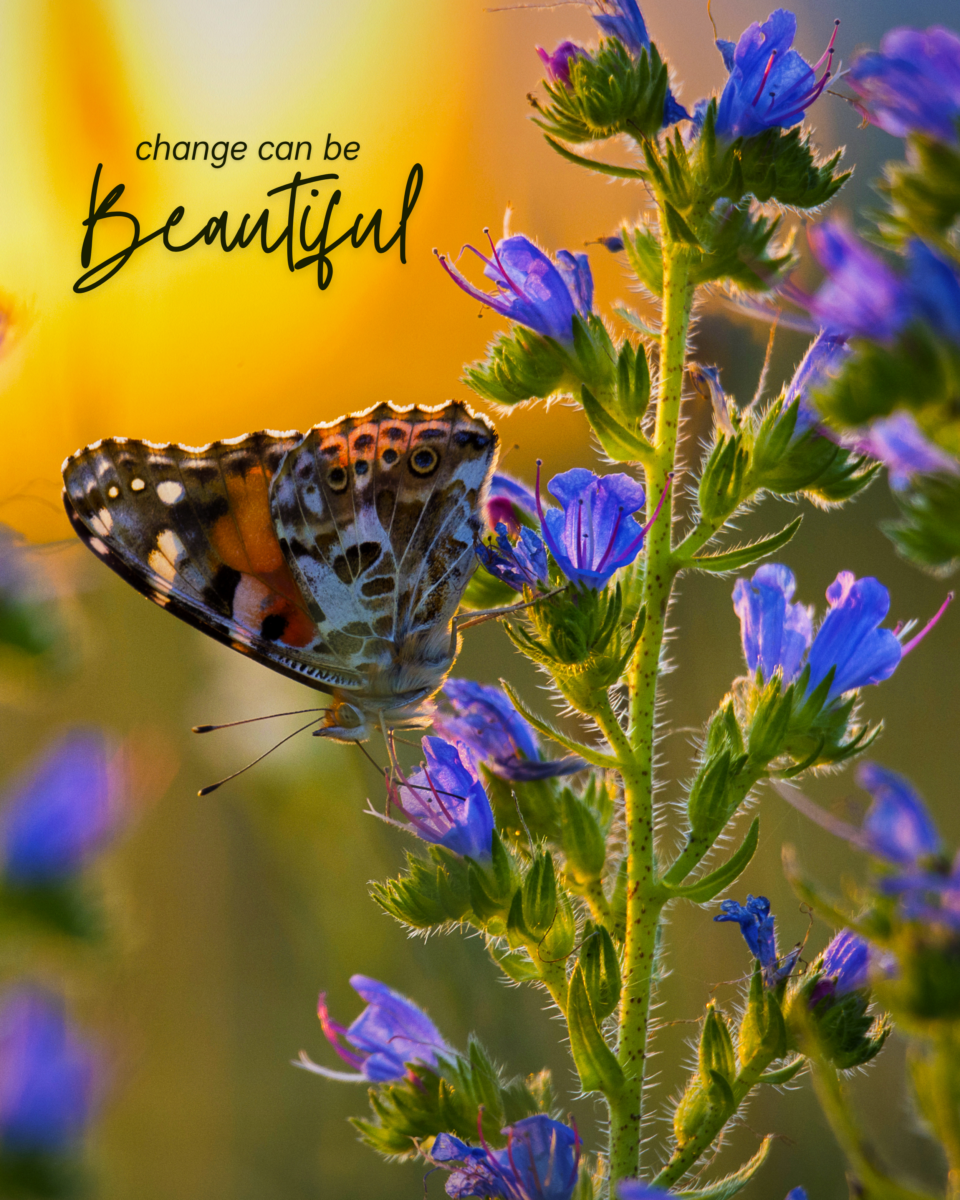


Another almost year-end, and on schedule, November and the season of gratitude arrives. We are commonly invited to name one to three things we are grateful for and then repeat the following year. There is nothing wrong with that practice, but I have been playing with and practicing a different kind of gratitude, the kind that is not assigned. The kind that catches your attention in the everyday moments.
Maybe it is the song that plays at exactly the right time, or a feather on the sidewalk the week you needed a sign, or the friend who texts the very morning you were thinking of her. These moments are small, and they are easy to miss. Noticing them is where this article begins.
Sosohajiman hwaksilhan haengbok (소소하지만확실한행): Small but Certain Happiness
In Korea, there is an abbreviated word for this: sohwakhaeng (so-hwak-hang), usually translated as "small but certain happiness." The idea traces back to a 1986 essay by the Japanese author Haruki Murakami, who described the quiet pleasure of ordinary things, like fresh bread or a shirt that smells of clean cotton. It took off in Korea around 2018, when, as the Korea Herald reported, people facing an uncertain future were "trying to find happiness in small things." [1]
What I love most is the word "certain." Big happiness, the promotion, the milestone, the perfect season of life, is unpredictable and often postponed. Small happiness is available today. A warm meal. A long stretch. Afternoon light on the kitchen floor. You can count on it, if you are paying attention.
Noticing as nourishment
As a dietitian, I spend my days helping people nourish their bodies, but nourishment does not stop at the plate. Attention nourishes too. When we slow down enough to notice something good, we are reminded that something is going right, even in a hard week. It is a practice of presence, and presence is often in short supply in November, when the calendar fills and the days grow shorter. That kind of gratitude touches how we eat, how we sleep, how we speak to ourselves, and how we show up for the people we love.
What the research says
The science is encouraging, with honest limits. In a well-known set of experiments, psychologists Robert Emmons and Michael McCullough asked people to regularly write down what they were grateful for. Compared with people who listed hassles or neutral events, the gratitude groups reported higher well-being, and the effect on positive mood was the most robust finding. In one study, they also reported fewer physical symptoms, and adults living with neuromuscular disease slept more and woke feeling more refreshed. [2]
A much larger study points the same direction. Among nearly 49,300 women in the Nurses' Health Study, those in the top third for gratitude had a 9% lower risk of dying over the following four years than those in the bottom third, even after accounting for physical health and other aspects of well-being. This was observational, so it shows an association, not proof that gratitude extends life. The participants were older nurses with relatively high socioeconomic status, so we should be careful about generalizing. [3]
The research does not say that noticing makes problems disappear. It suggests that what we pay attention to shapes how we feel.
Miracles, symbols, and synchronicities
This is the part research cannot measure, and I think it matters just as much. Some people call these moments coincidence. Others call them grace, a message, or a nudge from someone they miss. I do not need you to believe any particular story. I only invite you to treat these moments as worth noticing. When we look for small miracles, we tend to find them, and the looking turns an ordinary day into one that feels a little more accompanied.
Try it this week
Pick one or two. Small is the point, and you cannot do this wrong.
- Take a noticing walk. Five minutes, no phone, collecting small beauties.
- Name one small certain happiness each morning before you check your phone.
- Keep a "tiny miracles" note on your phone for songs, signs, and perfectly timed texts.
- Savor one bite of one meal with your full attention.
- Share one thing you noticed with someone, out loud or by text.
This November, you do not need a longer list. You only need to look up. What small, certain thing is waiting for you today? I would love to hear what you notice in a complimentary Momentum Builder Call. You can book it right here!
Sources
- Korea Herald: "Sohwakhaeng" taps into Koreans' desire to find happiness in little things
2. Emmons & McCullough (2003), "Counting Blessings Versus Burdens," Journal of Personality and Social Psychology
3. Harvard Health: Gratitude enhances health, brings happiness, and may even lengthen lives (summarizing a 2024 JAMA Psychiatry study)